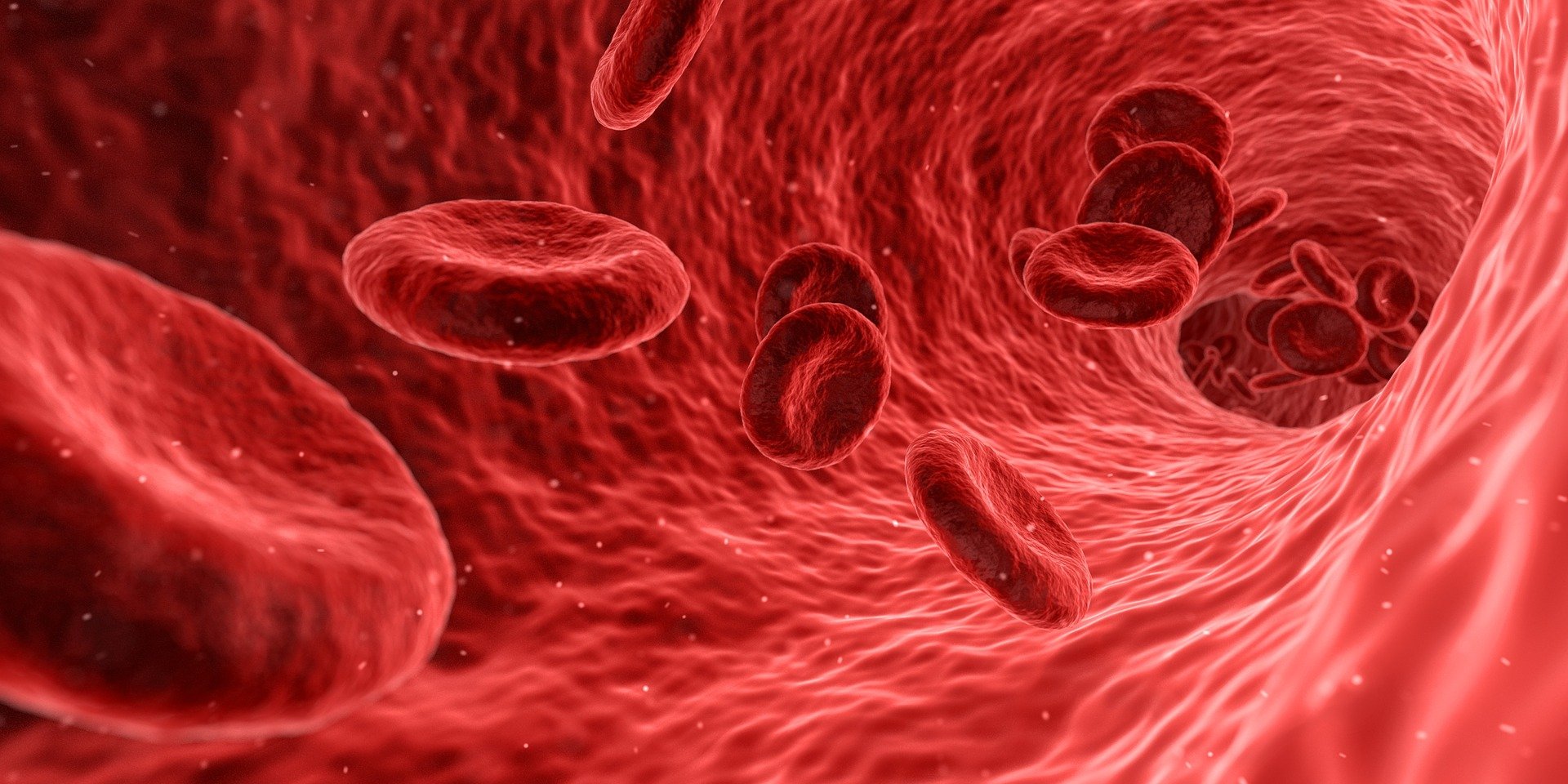
Our bodies rely on healthy blood to function properly every single day. Blood is responsible for transporting oxygen, nutrients, and hormones throughout the body, keeping your organs and tissues alive and active. A key component of healthy blood is hemoglobin — the iron-rich protein inside red blood cells that helps carry oxygen.
However, with today’s demanding lifestyle filled with stress, poor sleep, and long hours of sitting, many people experience a drop in hemoglobin levels without even realizing it. When hemoglobin becomes too low, you may begin to feel tired, weak, light-headed, or short of breath. In more serious cases, low hemoglobin leads to anemia, a condition that can affect your daily life and long-term health.
The good news? Your diet can play a major role in improving and maintaining healthy blood levels. Below are seven foods that naturally support the production of hemoglobin and help your body absorb iron more efficiently.
1. Iron-Rich Foods (The Foundation for Healthy Blood)
Low iron intake is the most common cause of low hemoglobin. Iron helps your body create hemoglobin and produce healthy red blood cells.
Recommended daily iron intake (RDA) is:
- Men (19–50 years): 8 mg per day
- Women (19–50 years): 18 mg per day
Excellent iron-rich foods include:
- Beans and lentils
- Spinach and other leafy greens
- Liver and other organ meats
- Lean beef
- Tofu
- Fish and seafood
- Eggs
- Chickpeas
- Fortified cereals
Try including at least one iron-rich food in every meal if you often feel tired or have been diagnosed with low hemoglobin.
2. Foods High in Vitamin C (Boosts Iron Absorption)
Your body cannot absorb iron efficiently without the help of vitamin C. Even if your diet is rich in iron, you may still develop low hemoglobin if you lack vitamin C.
Add these vitamin-C–rich foods to your meals:
- Oranges and other citrus fruits
- Tomatoes
- Strawberries and berries
- Kiwi
- Peppers (green, yellow, and red)
- Pineapple
- Guava
A simple example: eating beans (iron) with tomatoes or lemon juice (vitamin C) can significantly improve iron absorption.
3. Foods High in Folic Acid (Vitamin B9)
Folic acid is responsible for producing and repairing red blood cells. When the body is low in folic acid, hemoglobin levels also drop.
Top sources of folic acid include:
- Dried beans
- Peanuts
- Broccoli
- Bananas
- Leafy greens
- Liver
- Avocado
Ensuring consistent intake of vitamin B9 can support healthy blood cell production.
4. Beetroot (A Natural Blood Builder)
Beetroot is one of the most powerful foods for improving hemoglobin. It is rich in:
- Iron
- Folic acid
- Potassium
- Fiber
Drinking beetroot juice or adding it to salads daily can greatly support red blood cell formation. Many people notice increased energy after adding beetroot to their diet regularly.
5. Watermelon (Hydration + Iron + Vitamin C)
Watermelon is more than just a refreshing fruit — it promotes healthy blood levels. This is because it contains a good amount of iron and is also rich in vitamin C, which helps your body absorb that iron effectively.
Eating watermelon in the morning or as a snack can be an easy way to boost hemoglobin naturally.
6. Leafy Green Vegetables
Leafy greens are known as “blood-friendly foods” due to their iron, vitamin K, vitamin B9, and antioxidants.
Best options include:
- Spinach
- Kale
- Collard greens
- Amaranth leaves
- Celery leaves
- Swiss chard
Try adding greens to smoothies, soups, salads, or stir-fries to increase your daily intake.
7. Pumpkin Seeds
Pumpkin seeds are small but extremely nutritious. Just a handful can provide your recommended daily amount of iron (around 8 mg), alongside other minerals like magnesium, manganese, and zinc.
You can sprinkle pumpkin seeds on salads, blend them into smoothies, or enjoy them as a healthy snack.
Foods to Limit When You Have Low Hemoglobin
Some foods contain compounds that interfere with iron absorption. When your hemoglobin is already low, it’s better to limit the following:
- Coffee
- Tea (especially black tea)
- Soy products
- Cocoa products
- Red wine
- Some whole grains high in tannins
These foods block or reduce the absorption of iron, making it harder for your body to recover from anemia.
Final Thoughts
Improving hemoglobin levels doesn’t always require medication — simple dietary adjustments can make a significant difference. Focus on iron-rich foods, vitamin C sources, folic acid, and natural blood-boosting foods like beetroot and leafy greens. With consistency, your body will be better equipped to produce healthy red blood cells and maintain strong energy levels.
If symptoms persist or worsen, consult a healthcare professional to rule out underlying medical conditions.


Post Comment