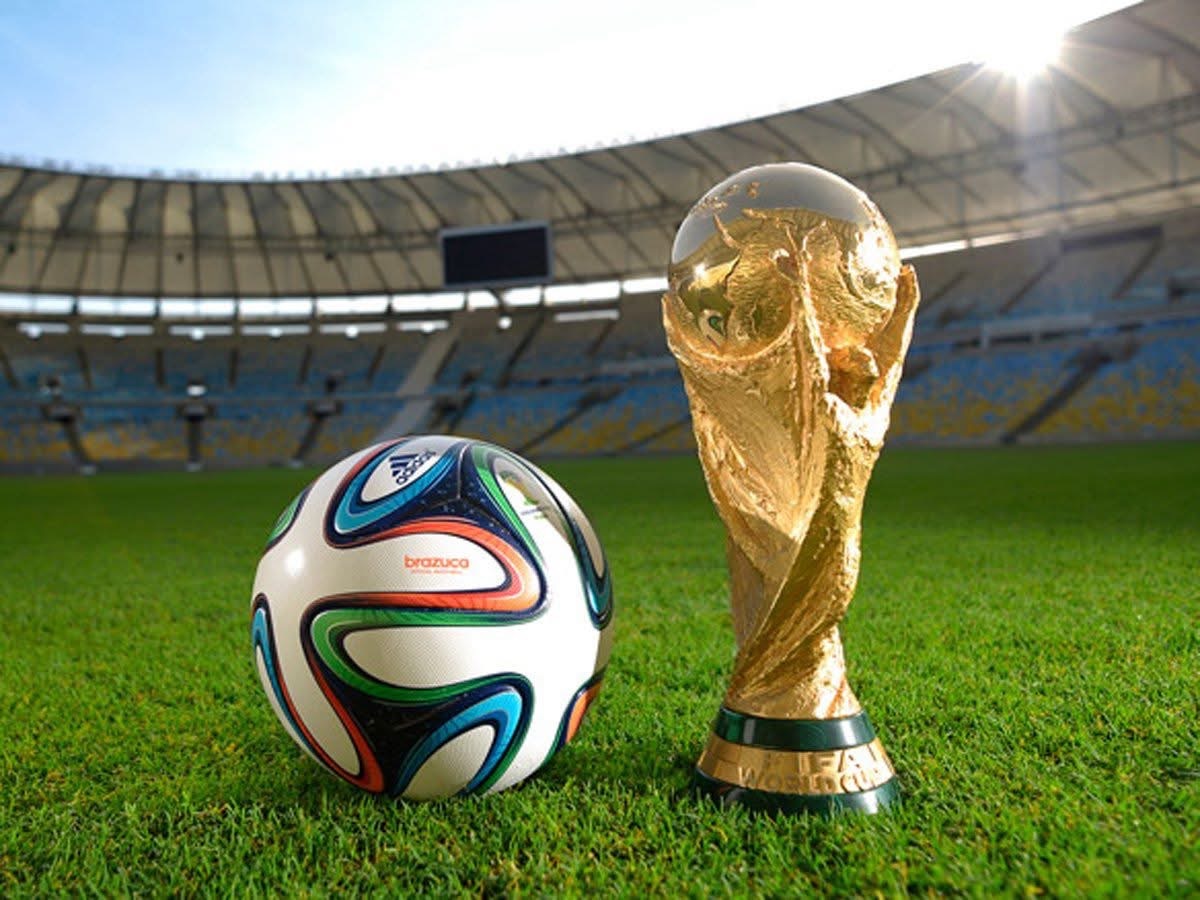
FIFA has officially confirmed a major increase in prize money for the 2026 FIFA World Cup, announcing that the total amount to be distributed will reach USD 655 million. This represents a 50 percent increase compared to the prize fund allocated during the 2022 World Cup in Qatar, marking a significant financial milestone in the history of the tournament.
The team that wins the 2026 World Cup will receive USD 50 million, an increase from the USD 42 million awarded to the champions in 2022. The runner-up will take home USD 33 million, while the third-placed team will earn USD 29 million. The team finishing fourth will receive USD 27 million, further highlighting FIFA’s expanded reward structure.
Teams eliminated at the quarterfinal stage will each be awarded USD 19 million, while those knocked out in the Round of 16 will receive USD 15 million. Meanwhile, teams exiting the competition at the Round of 32 stage will still earn USD 11 million, ensuring financial benefits even for early elimination.
National teams that fail to progress beyond the group stage will receive USD 9 million. In addition, every country participating in the 2026 World Cup will be granted USD 1.5 million as preparation funding before the tournament begins. This guarantees that no participating nation will earn less than USD 1.5 million, regardless of performance.
FIFA President Gianni Infantino described the 2026 World Cup as a turning point in global football economics. According to him, the expanded tournament and increased prize money demonstrate FIFA’s commitment to reinvesting revenue back into the game and supporting football development worldwide.
The financial boost aligns with FIFA’s broader revenue projections. The organization expects to generate approximately USD 13 billion from the 2026 World Cup, a dramatic increase compared to the USD 7.6 billion earned from the 2022 edition in Qatar. This growth is largely driven by expanded broadcasting rights, sponsorship deals, and global commercial partnerships.
However, the rise in prize money has come alongside growing debate among fans. Ticket prices for the 2026 World Cup have increased significantly, drawing criticism from some supporters who argue that attending matches may become unaffordable for ordinary football fans.
With record revenues, expanded participation, and higher financial rewards, the 2026 FIFA World Cup is shaping up to be one of the most impactful tournaments in football history—both on and off the pitch.




Post Comment