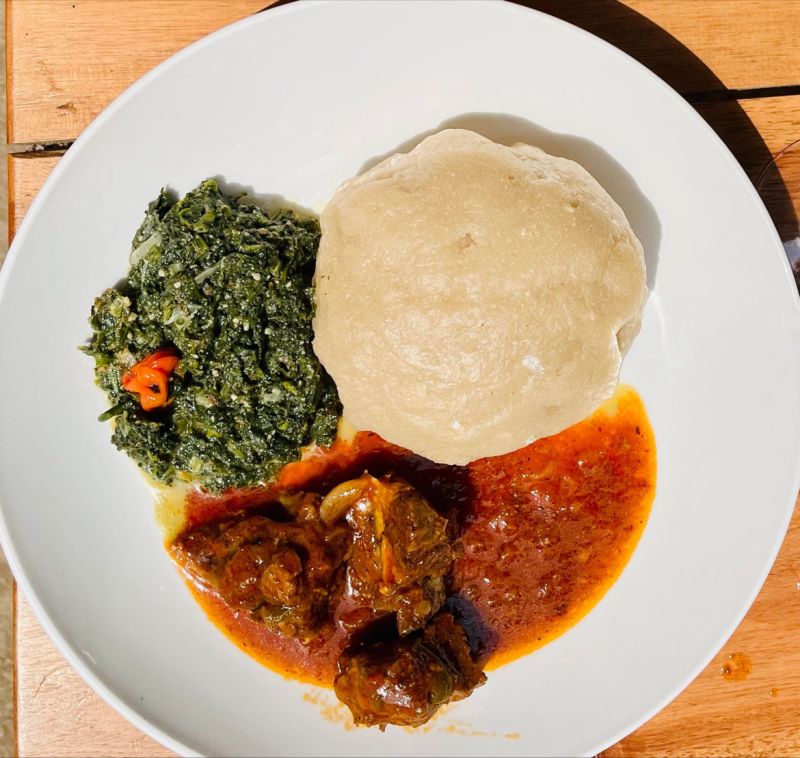
As Rwanda celebrates the Christmas and New Year festive season, when food preparation and consumption increase—especially meat products—the Rwanda Biomedical Centre (RBC) has issued a strong warning to the public about the dangers of poor food hygiene, which can lead to serious foodborne illnesses.
On December 26, 2025, RBC reminded citizens that maintaining proper hygiene is essential at every stage of food handling, from preparation to consumption. Poorly handled or stored food can easily become contaminated and pose significant health risks, particularly during festive gatherings.
Food contamination often begins before it reaches the kitchen
According to Hyguette Irambona, a nutrition specialist working with Gardens for Health International, food contamination frequently starts at the market or during transportation, long before food reaches households.
She explained that common daily practices often put people’s health at risk, including:
- Placing raw meat in the same bags as fruits and vegetables at the market
- Using the same cutting board and knife for meat, fish, and vegetables without proper cleaning
- Preparing food many hours before events and leaving it at room temperature for long periods
“Some fruits and vegetables are eaten raw. When they come into contact with raw meat, contamination happens immediately. Food that will be cooked may be safer due to heat, but raw foods become contaminated instantly,” she explained.
Unsafe practices inside households
Irambona noted that food contamination also occurs inside homes, often unknowingly. Many people reuse cutting boards after handling meat or fish and then use them for vegetables or fruits without thorough washing, allowing bacteria to spread.
She also warned that cooked food can easily become unsafe if left for too long during celebrations. Foods with high moisture content—such as sauces, meat, and fish—provide a favorable environment for bacteria to multiply when kept at room temperature.
How to prevent foodborne illnesses
To reduce the risk of food poisoning, the nutrition expert emphasized the importance of:
- Reheating food thoroughly if it is not eaten immediately
- Storing food in a refrigerator or freezer when possible
- Cooking meat properly, especially pork, which may contain harmful bacteria
- Buying food from clean and trusted sources
She further cautioned against eating fruits and vegetables without washing them, even if they appear clean, as they may carry germs from soil, handling, or transportation.
RBC’s key safety recommendations during the festive season
RBC advised the public to follow these essential food safety measures:
- Wash hands thoroughly with clean water and soap before handling or eating food
- Keep kitchen utensils and surfaces clean
- Use safe, clean water for cooking and drinking
- Wash fruits and vegetables properly before consumption
- Store food at appropriate temperatures
- Avoid mixing raw and cooked foods
- Ensure food and beverages are fully cooked or boiled
RBC emphasized that preventing foodborne diseases starts with daily hygiene habits, especially during festive periods when large gatherings and shared meals are common.


Post Comment