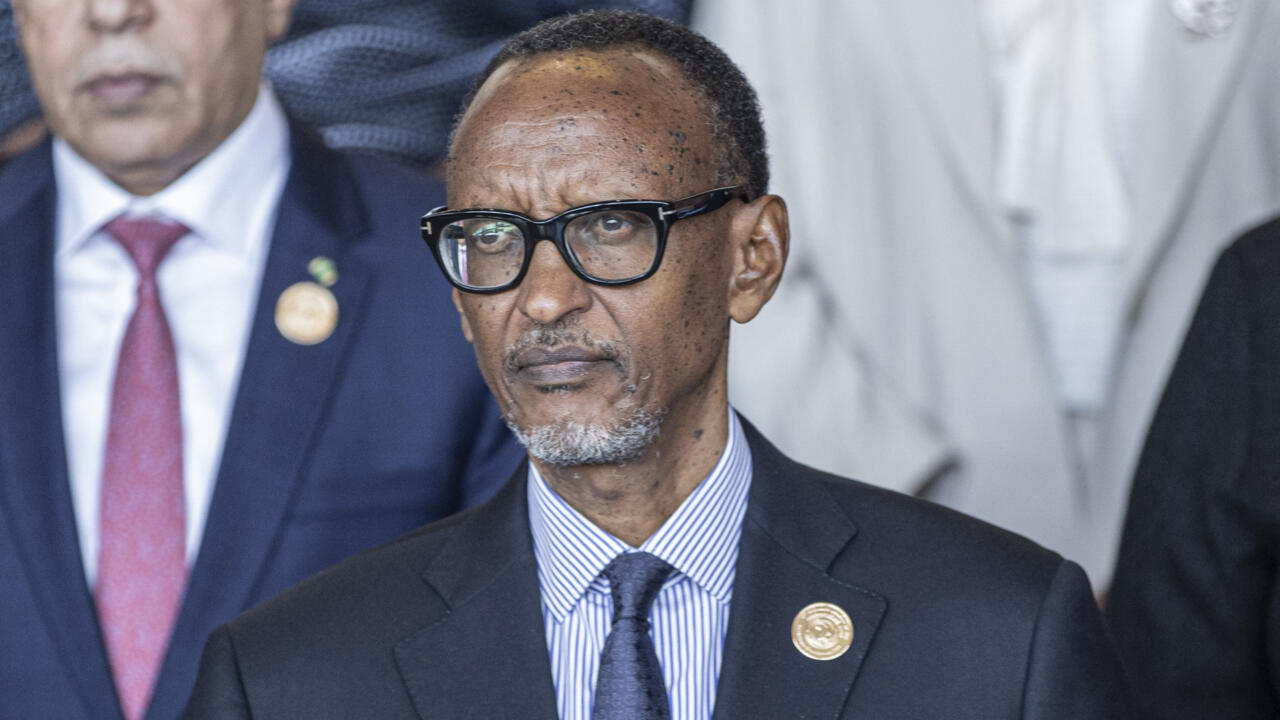
In recent weeks, speculation surged across social media after Rwandan President Paul Kagame was not seen in public for over two weeks. The unusual silence on his official X (formerly Twitter) account and other platforms led to widespread rumors and concern.
Some individuals, particularly critics of the Rwandan government, began spreading unverified claims about the President’s health. Rumors circulated suggesting he had fallen seriously ill and was receiving treatment abroad, with some alleging he had traveled to Germany or the United States for medical attention. These claims were largely driven by opposition figures and bloggers, many of whom have expressed disapproval of Kagame’s leadership.
The situation escalated on June 12, 2025, when some individuals falsely reported that the President had passed away. These rumors quickly spread both within Rwanda and internationally. On June 24, 2025, a fabricated press statement — falsely attributed to the Rwanda Defence Force (RDF) — was shared online, claiming President Kagame was critically ill.
Shortly after, the RDF issued an official statement dismissing the viral message as fake news. Despite this clarification, some continued to claim that the RDF had initially published the message and later removed it — a claim for which there is no credible evidence.
Why Was the President Absent?
The real reason for President Kagame’s temporary absence from public life was soon clarified. According to Rwanda’s Government Spokesperson, Yolande Makolo, the President was simply on a routine personal break, as is normal for many leaders. Speaking to a local news outlet in Kigali, Makolo confirmed that there was no cause for concern.
The President Reappears Publicly
On the same day the RDF debunked the fake statement, President Kagame reappeared in public. He received former Nigerian President Olusegun Obasanjo at his office in Kigali, and the official X account for Village Urugwiro (the Office of the President) became active again after being silent since June 6.
Despite this public appearance, some individuals online continued to insist the images were outdated. They claimed that the photos were taken during a previous meeting held on November 24, 2021 — a claim that could not be substantiated.
These rumors were ultimately put to rest when, on June 26, 2025, President Kagame met with Dr. Akinwumi Adesina, President of the African Development Bank Group, at his office. He later continued his official duties, and on Rwanda’s Liberation Day, July 4, he participated in a public media briefing — further confirming that he was healthy and actively fulfilling his presidential role.
Why Were These Rumors Spread?
Political analysts believe such rumors are often part of a deliberate strategy by opposition groups to create confusion, particularly among segments of the population who may not have easy access to verified news. Misinformation tends to spread more quickly among older citizens or those less familiar with identifying fake news online.
What Are the Consequences?
The spread of false information about a country’s head of state can have serious consequences. It can cause public anxiety, erode trust in national institutions, and potentially destabilize confidence in leadership. When citizens begin to doubt official information, it creates room for misinformation to flourish — strengthening the influence of those who may seek to undermine national unity or governance.

Post Comment